Turkmen carpets
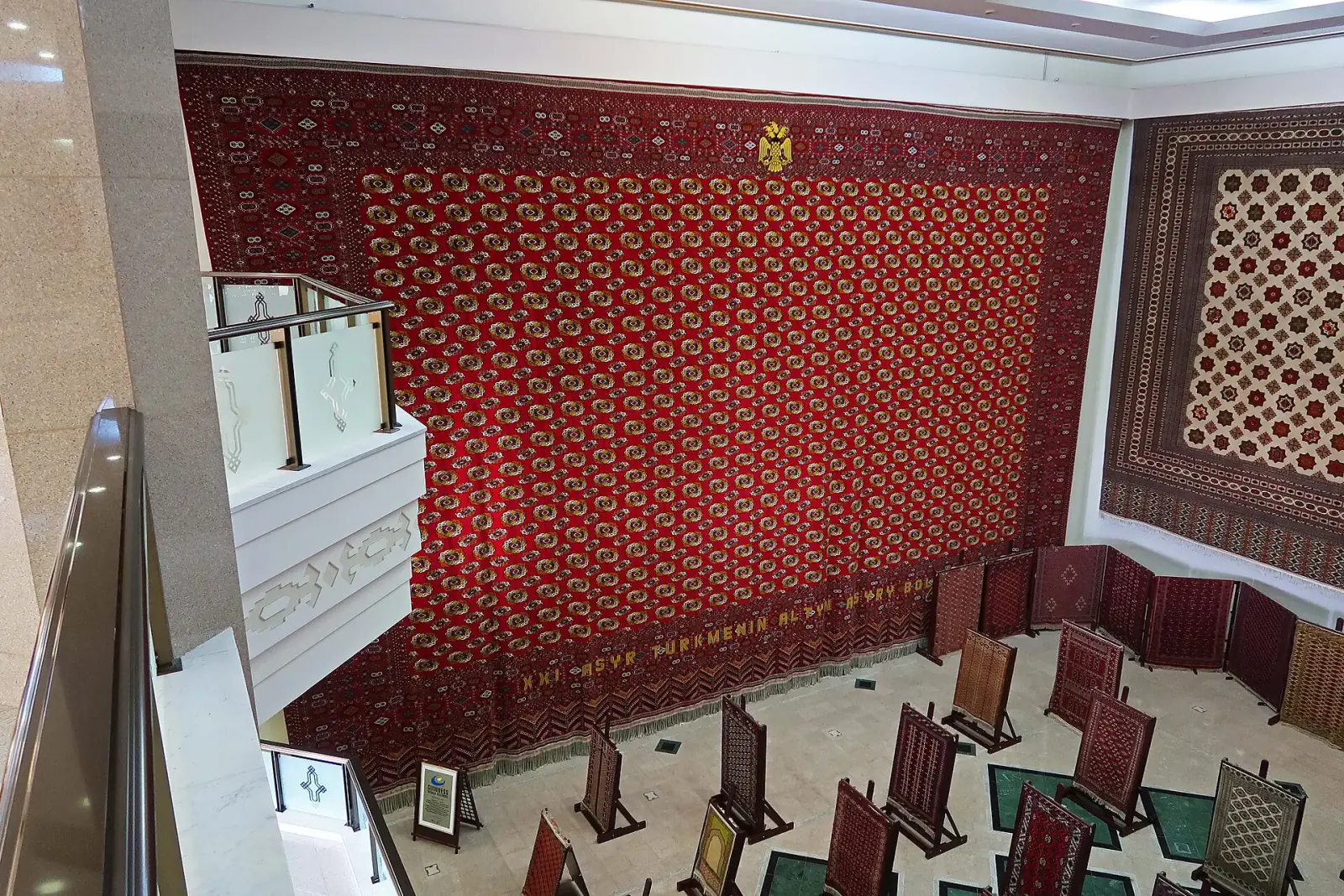
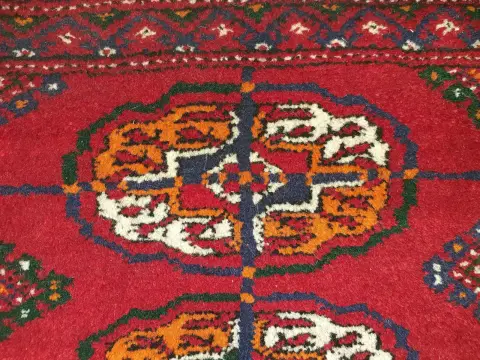
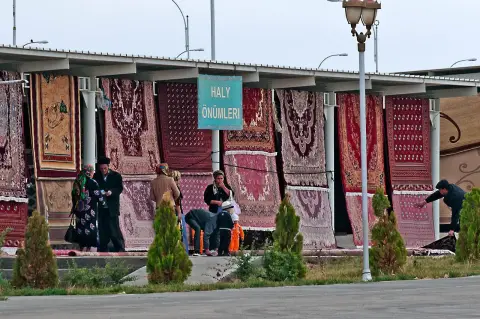
Hand-knotted by women for centuries, Turkmen carpets carry tribal patterns called gul — five of them appear on the national flag.

Carpets, Akhal-Teke horses, music, cuisine and traditions of a nomadic people that welcomes every guest.
For centuries the Turkmen lived between the desert and the oases of the Silk Road. Their crafts, songs and customs travel with you on every tour — here is what to look for.
Hand-knotted by women for centuries, Turkmen carpets carry tribal patterns called gul — five of them appear on the national flag.
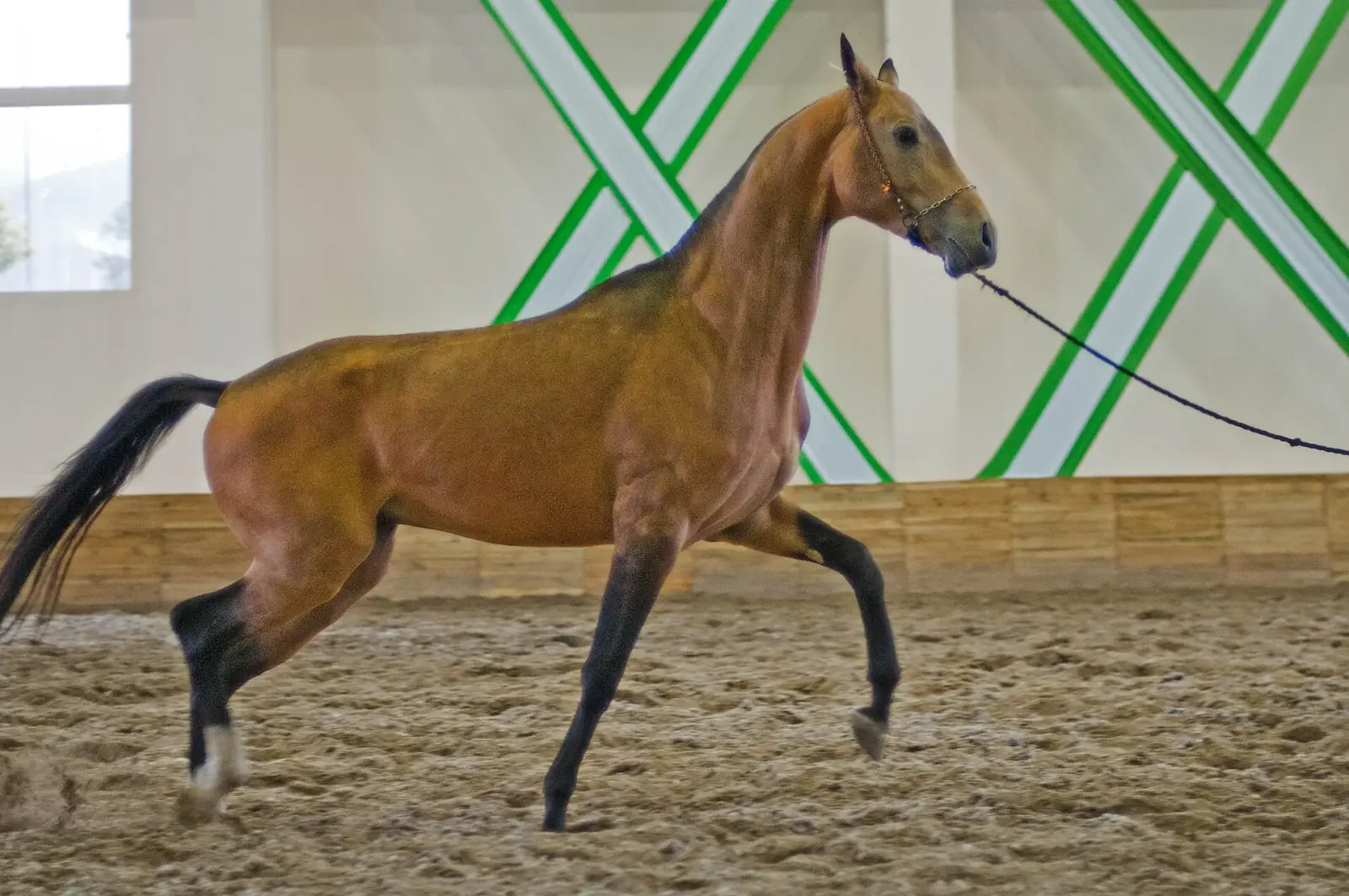
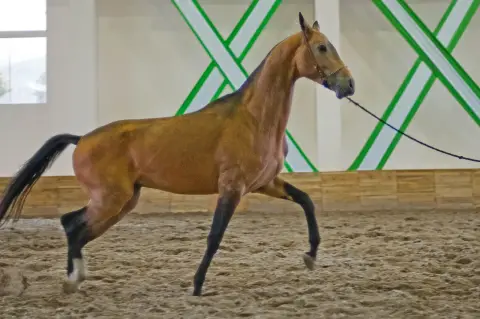
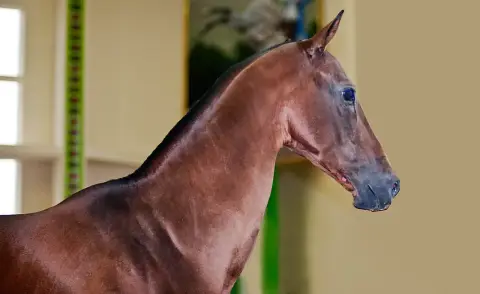
One of the oldest horse breeds on Earth, famous for its endurance and a coat that shines like gold — the pride of every Turkmen.

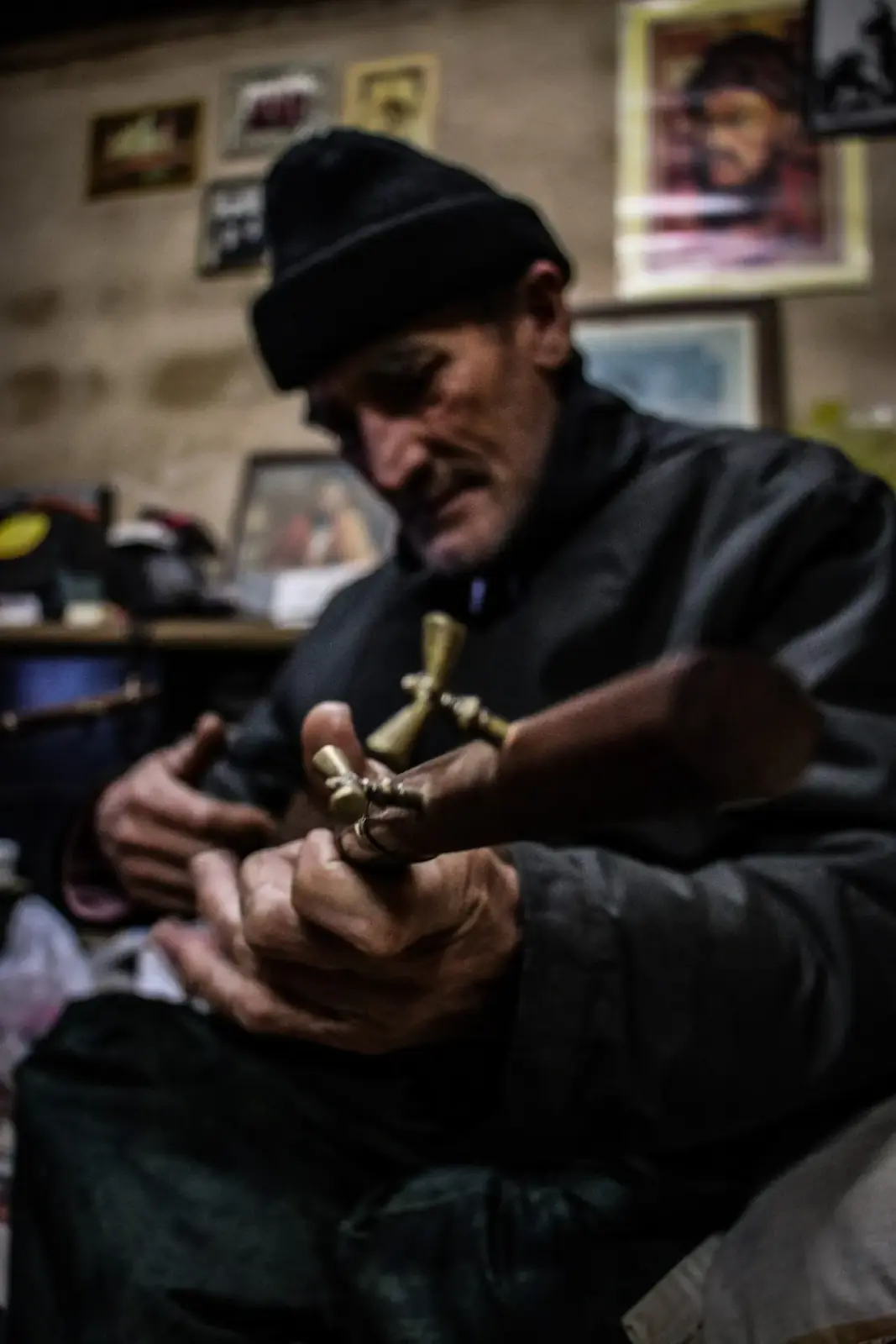
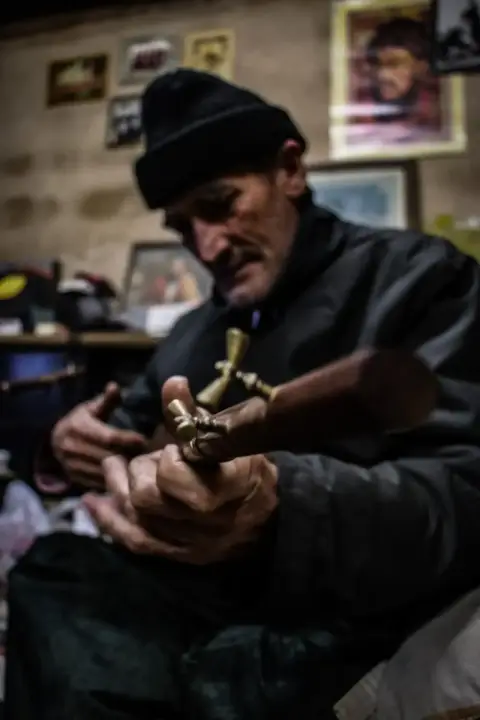
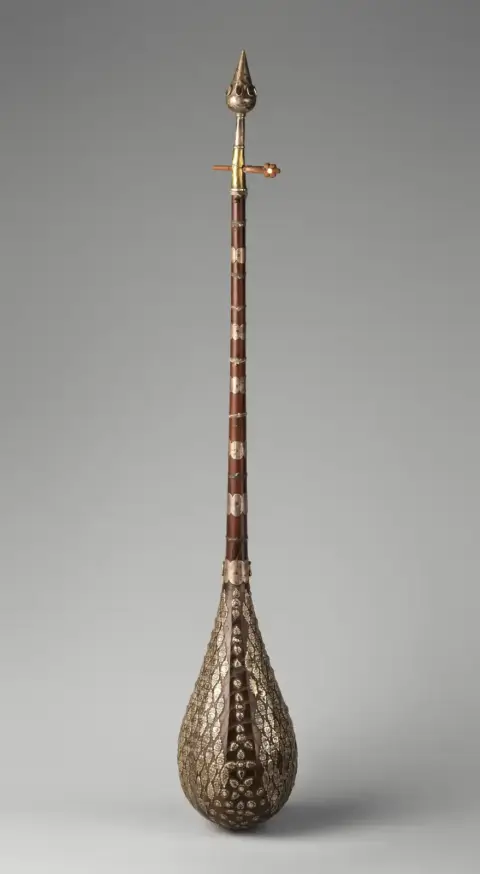
The two-stringed dutar, bagshy singers and the epic of Görogly — Turkmen music is listed by UNESCO as intangible heritage of humanity.
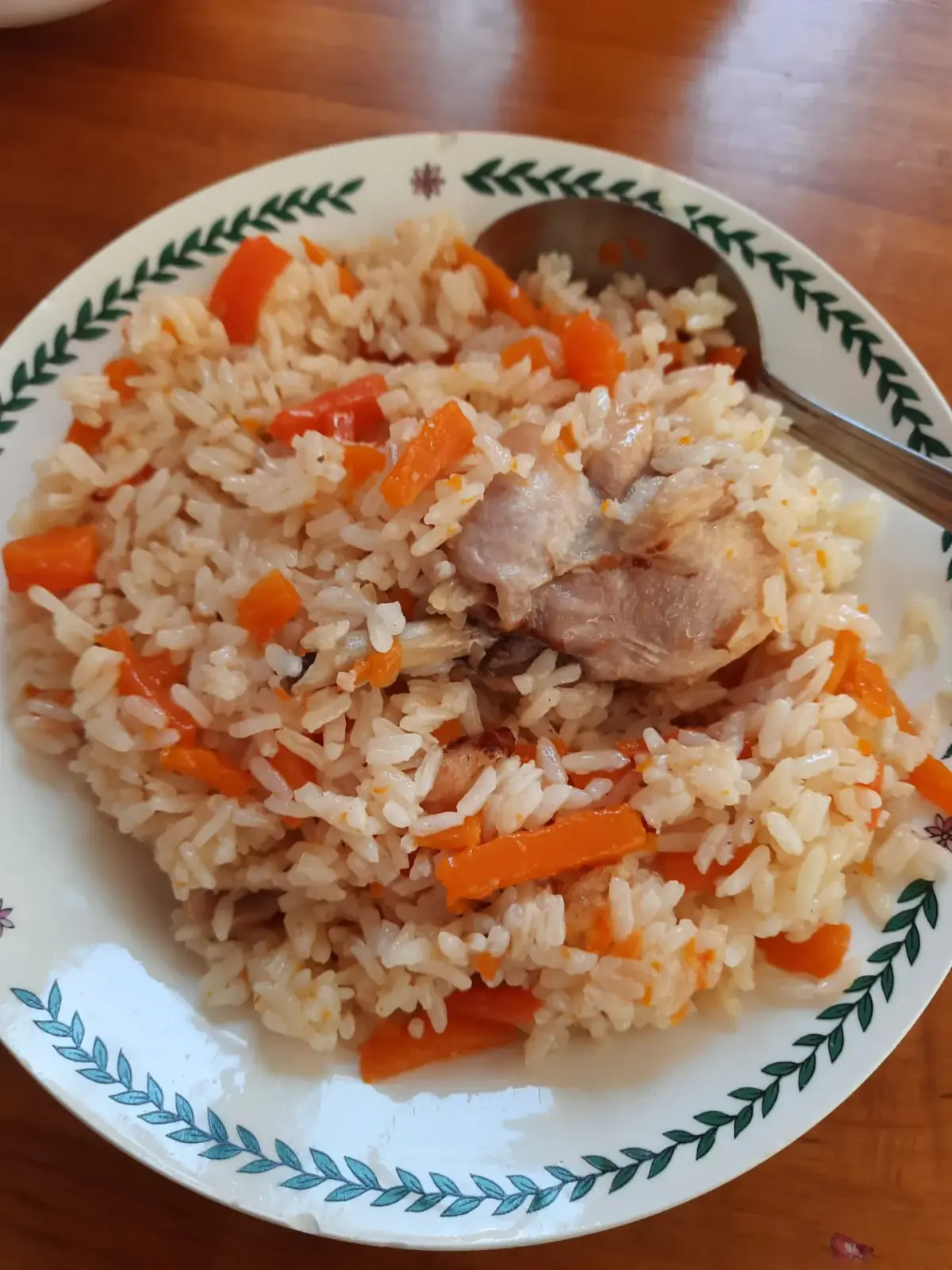
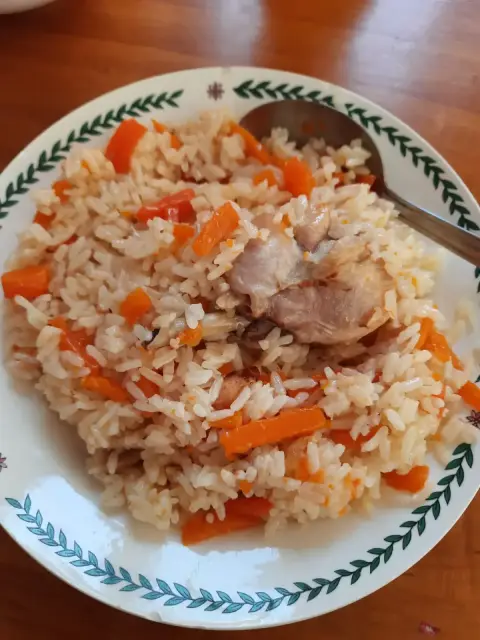
Plov cooked over a fire, bread from a clay tamdyr oven, gutap pies and endless green tea — food is the heart of Turkmen hospitality.
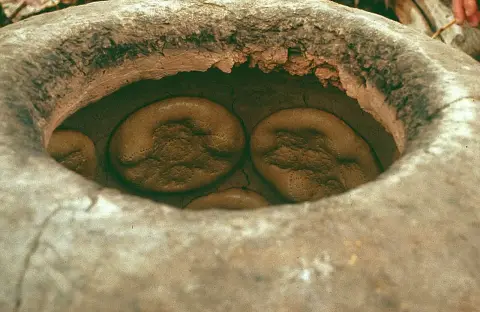
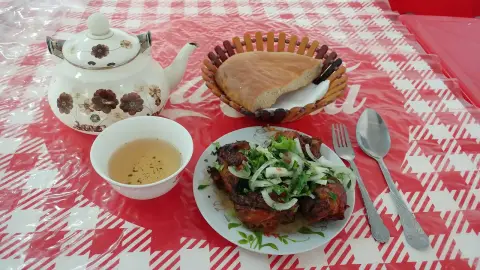
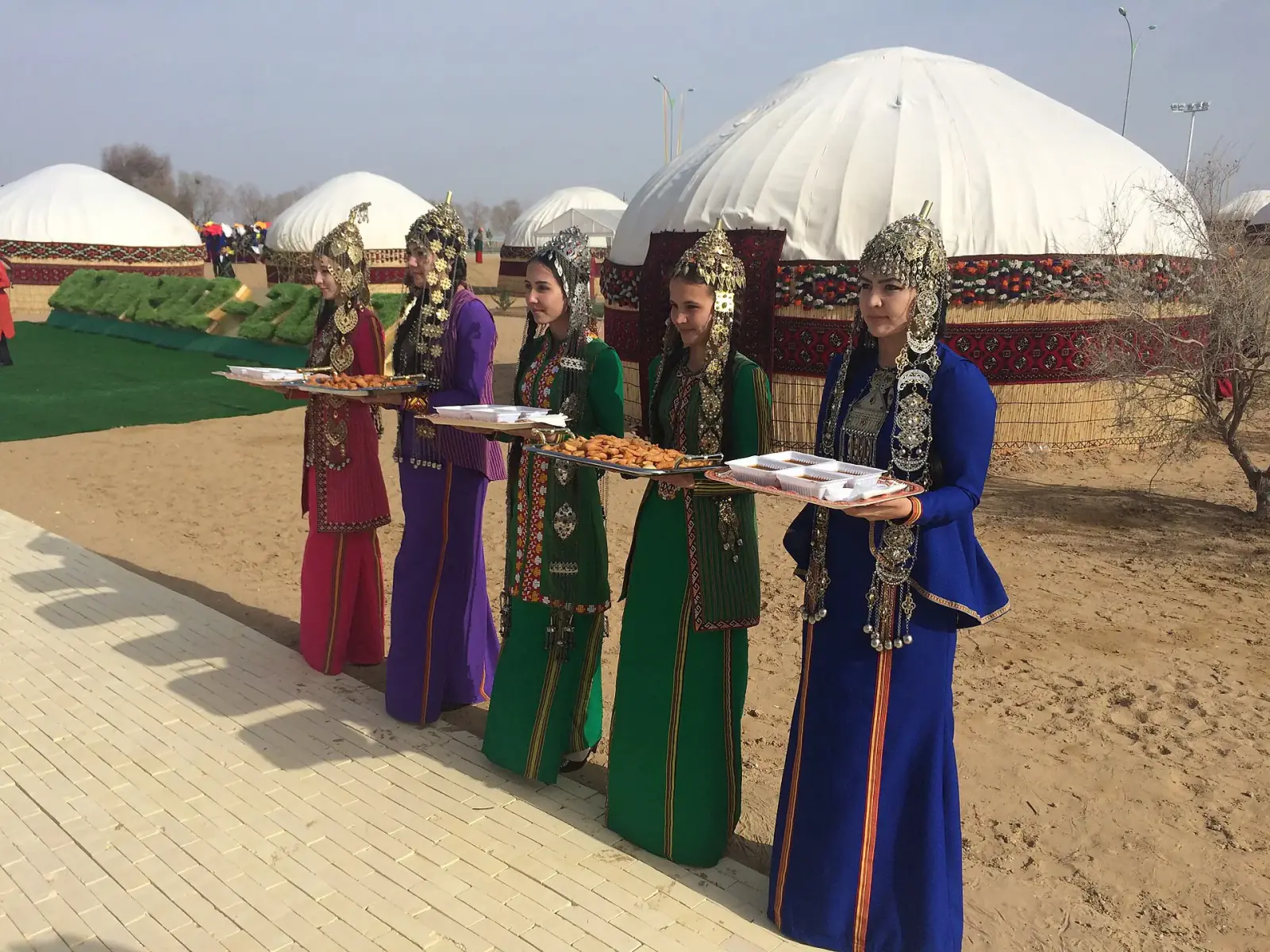
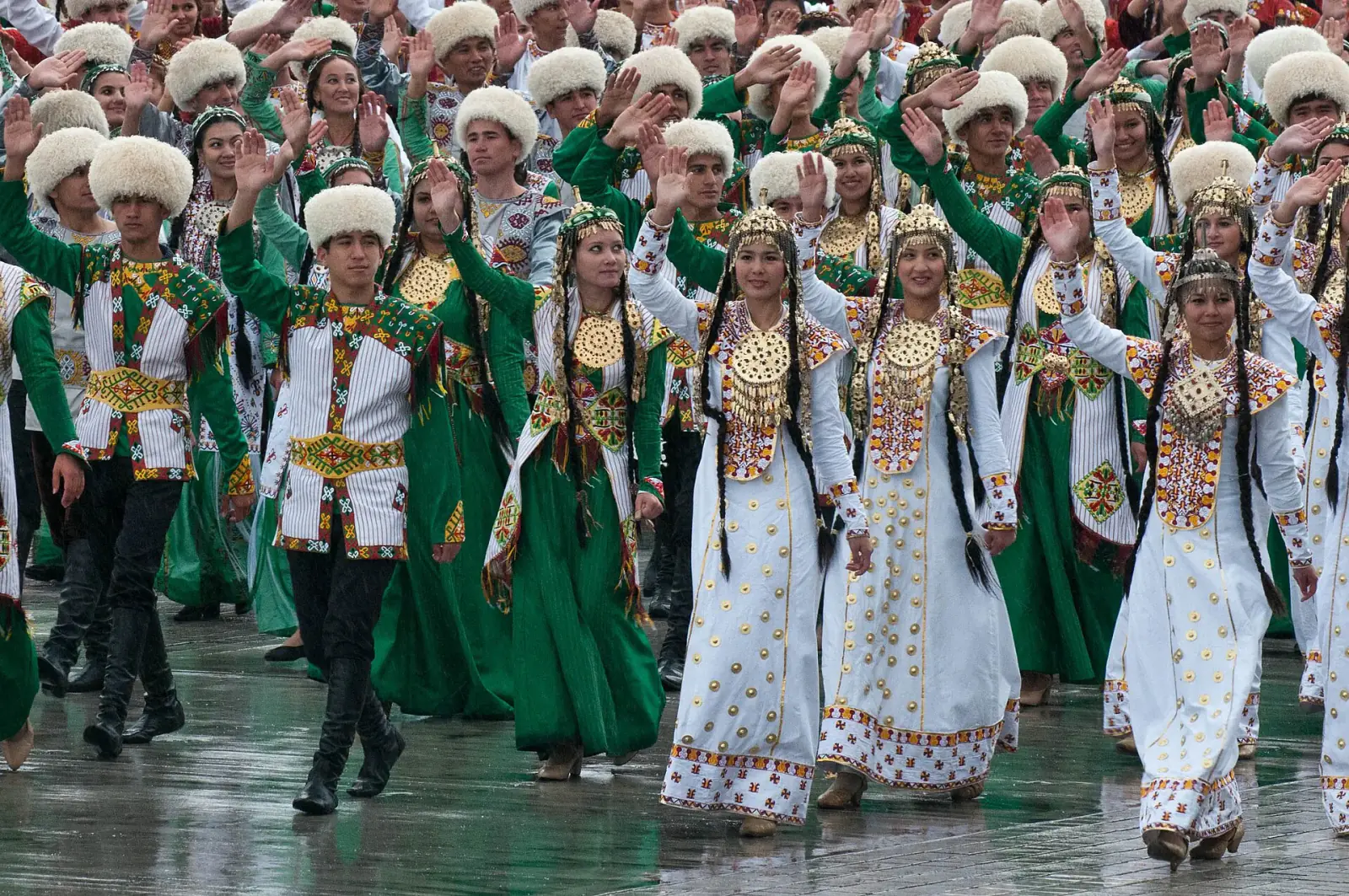
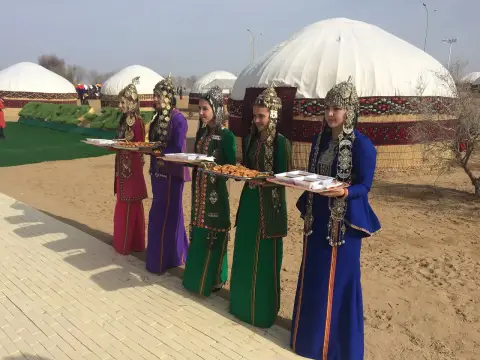
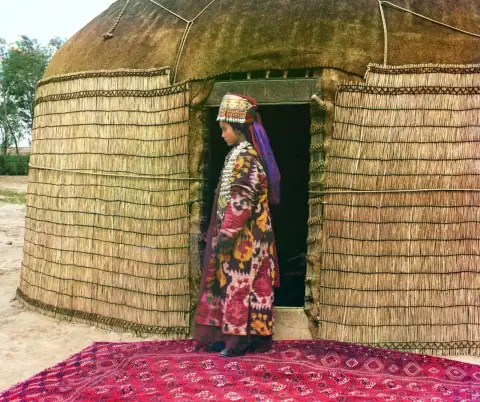
The shaggy telpek hat, long embroidered dresses and silk robes — traditional clothes are still worn every day in Turkmenistan.
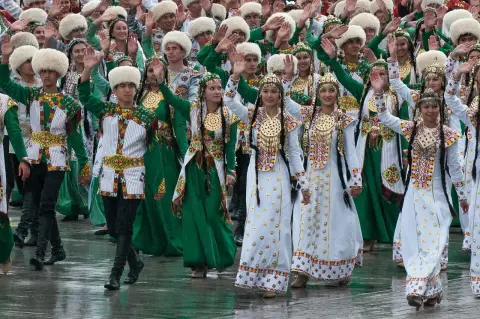
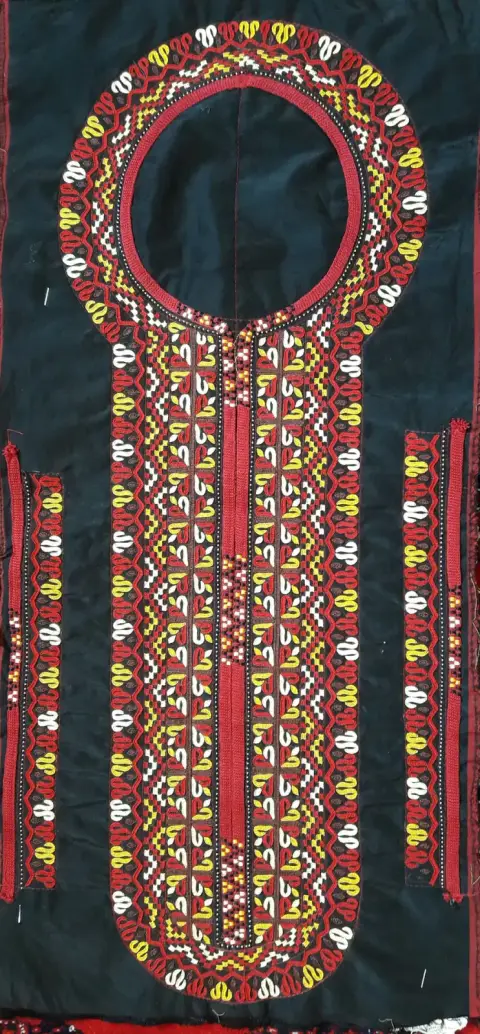
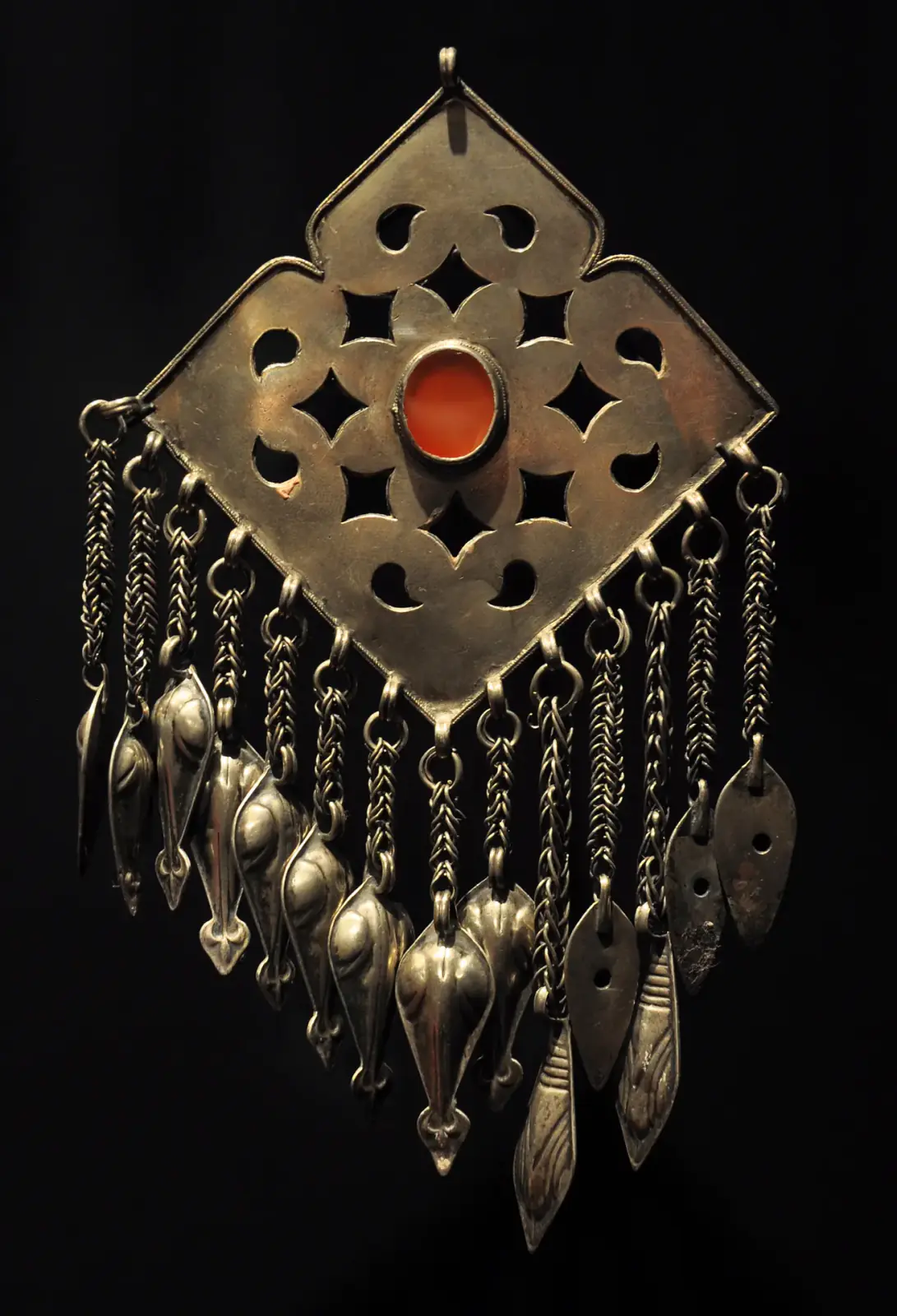
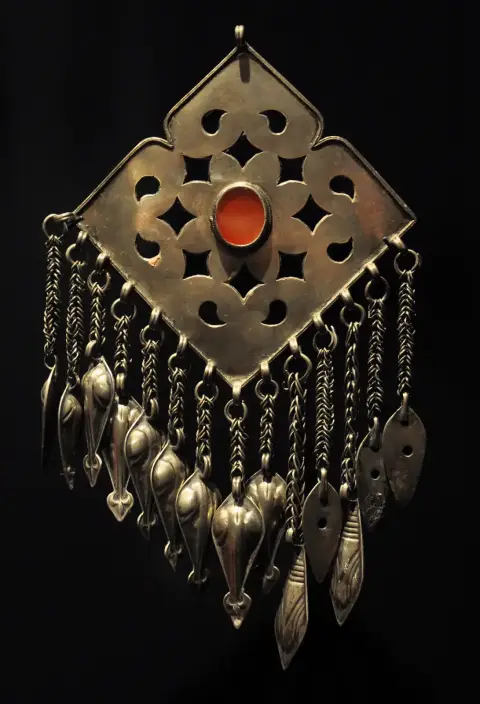
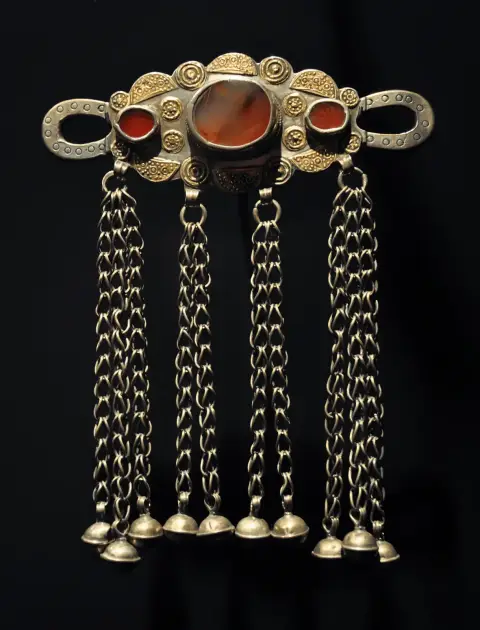
Heavy silver adornments with carnelian, gilded plates and amulets — a bride’s jewellery could weigh several kilograms.
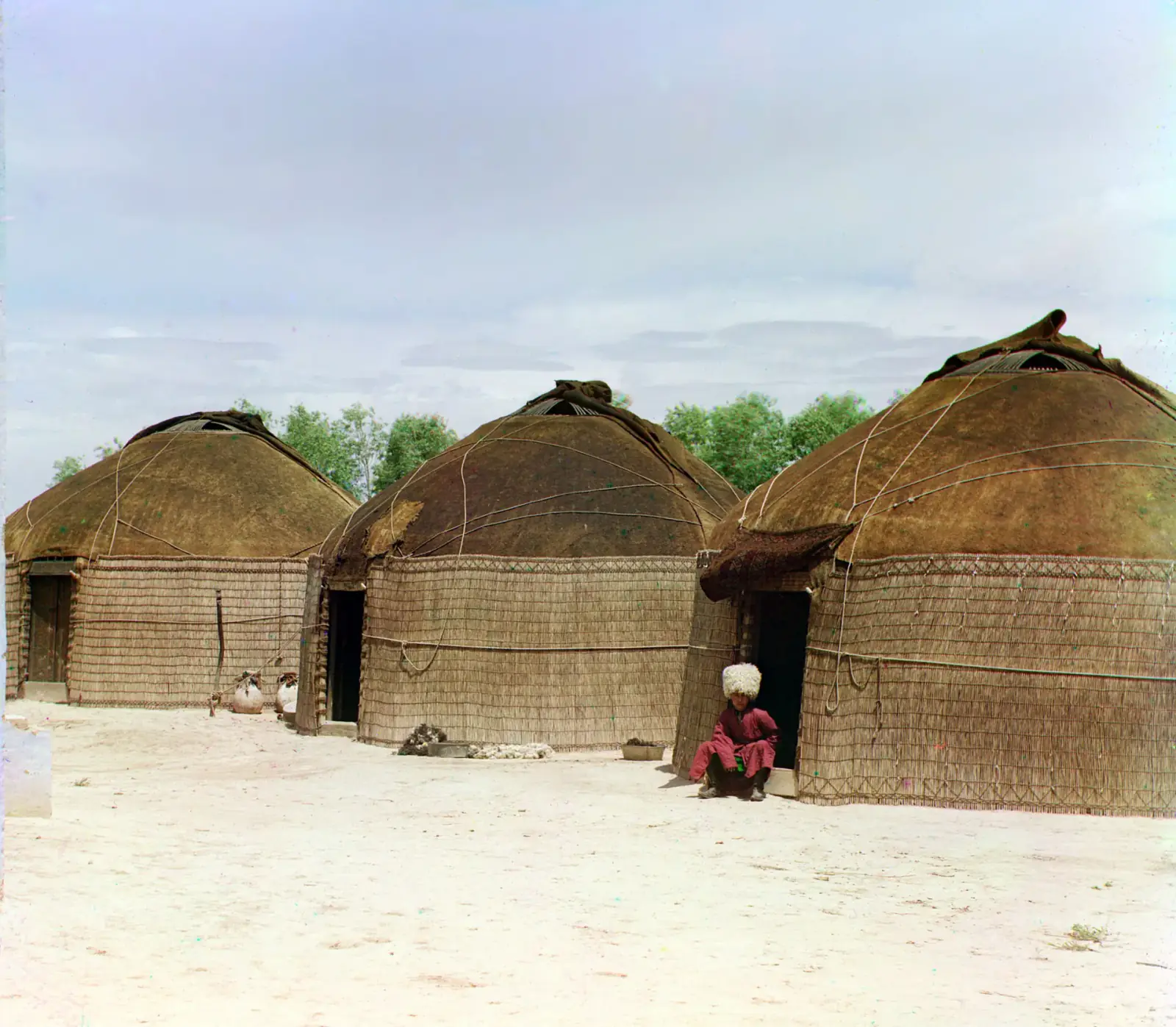
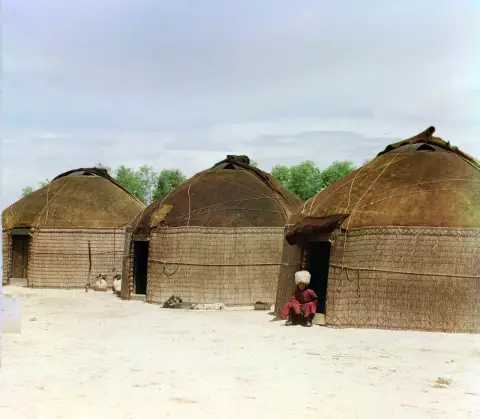
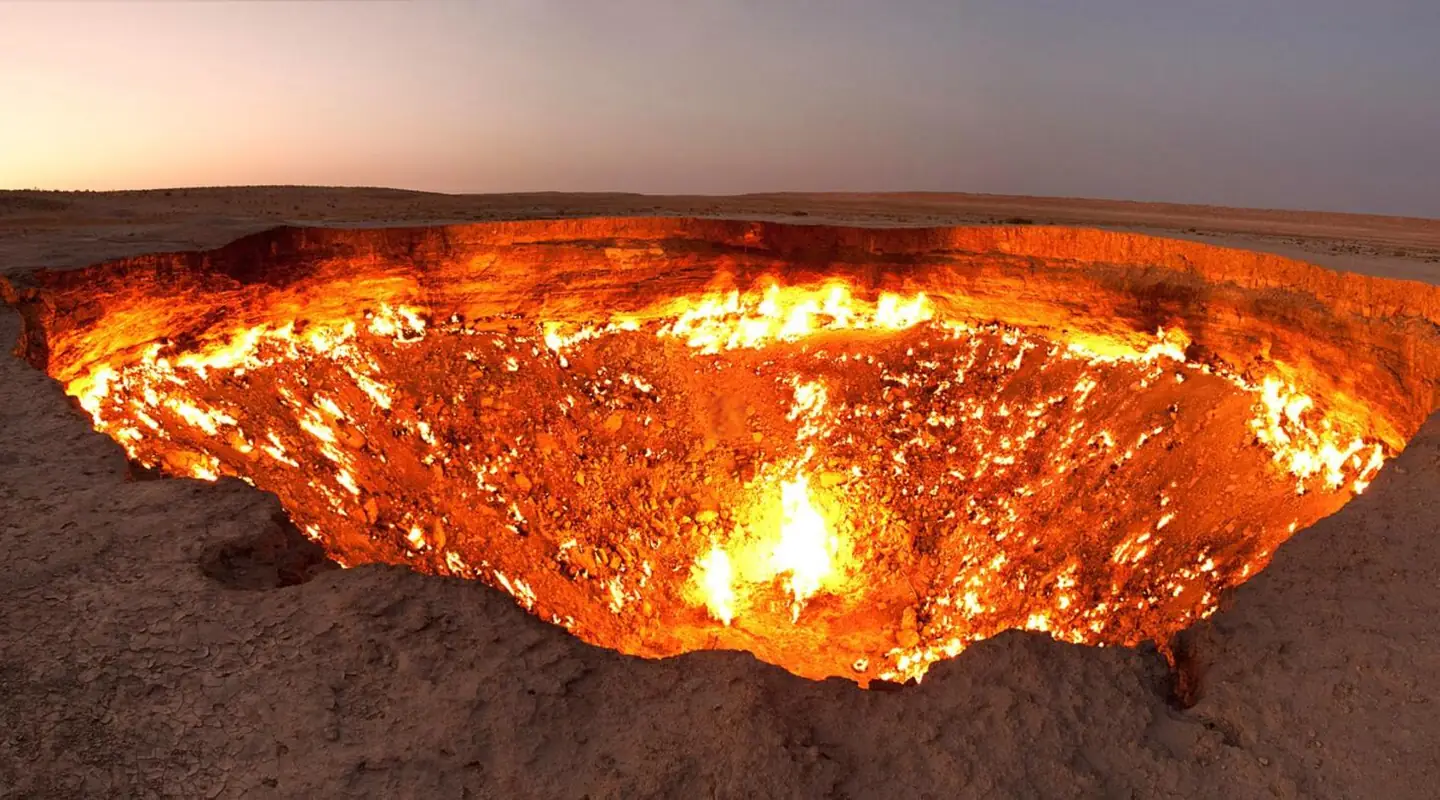
The white felt house — ak öý — can be put up in an hour and keeps cool in the desert heat. Spend a night in one near Darvaza.
Nowruz in March, Horse Day in April, Melon Day in August — plan your trip around a festival and see Turkmenistan celebrating.
Carpet workshops, Akhal-Teke stables, a dinner in a yurt — we add them to any itinerary.
 🎄 2027
Meet the New Year under the desert stars: a night by the burning Darvaza crater, festive Ashgabat and the Silk Road cities. Write to us for dates and prices.